
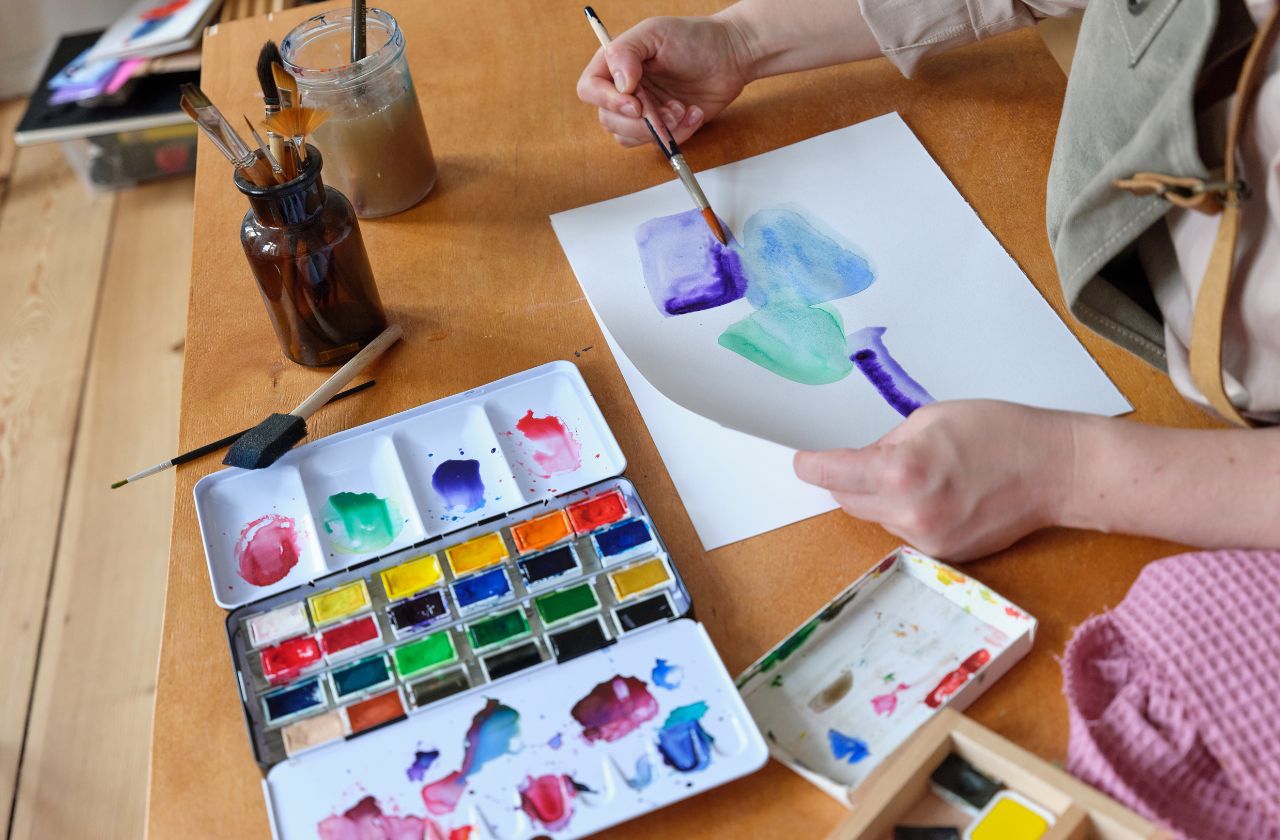
Watercolor Painting Ideas for Beginners
Watercolor painting is a beautiful and expressive art form that has captivated artists for centuries. For beginners, it can be both exciting and intimidating to start their watercolor journey. This article explores various watercolor painting ideas perfect for those just beginning to dip their brushes into this medium.
Getting Started with Watercolor
Before diving into specific painting ideas, it’s essential for beginners to familiarize themselves with some basic watercolor techniques. These include:
- Wet-on-wet: Applying wet paint to a wet surface
- Wet-on-dry: Applying wet paint to a dry surface
- Dry brush: Using a dry brush with thick paint for texture
- Layering: Building up colors gradually
- Washes: Creating smooth, even areas of color
Mastering these techniques will provide a solid foundation for creating stunning watercolor paintings.
Simple Subjects for Beginners
When starting out, it’s best to choose subjects that are relatively simple and forgiving. Here are some ideas:
1. Landscapes
Landscapes are excellent subjects for beginners because they allow for loose, expressive brushwork. Some ideas include:
- A sunset over water
- Rolling hills with a few trees
- A misty mountain scene
- A field of wildflowers
2. Still Life
Still life subjects are great for practicing observation and brush control. Consider painting:
- A bowl of fruit
- A vase of flowers
- A collection of seashells
- A teacup and saucer
3. Abstract Designs
Abstract paintings are perfect for experimenting with color and technique without the pressure of creating a realistic image. Try:
- Color gradients
- Geometric shapes
- Splatter and drip techniques
- Texture experiments
Seasonal Watercolor Ideas
Nature provides endless inspiration for watercolor painters. Here are some ideas based on the seasons:
Spring
- Cherry blossoms
- Tulip fields
- April showers (raindrops on windows)
- Baby animals
Summer
- Beach scenes
- Tropical fruits
- Sunflowers
- Butterflies
Autumn
- Colorful fall leaves
- Pumpkin patches
- Misty forests
- Cozy scenes with hot beverages
Winter
- Snowy landscapes
- Festive decorations
- Bare trees against a gray sky
- Northern lights
Watercolor Techniques to Explore
As beginners gain confidence, they can start experimenting with more advanced techniques:
Salt Technique
Sprinkling salt on wet watercolor creates interesting textures as the salt absorbs the pigment. This technique works well for:
- Star-filled night skies
- Sandy beaches
- Textured rocks
- Snow scenes
Masking Fluid
Masking fluid protects areas of the paper, allowing artists to create crisp edges and preserve white spaces. It’s useful for:
- Highlighting in landscapes
- Creating intricate patterns
- Preserving white flowers in a bouquet
- Adding whiskers to animal portraits
Granulation
Some watercolor pigments naturally create a grainy texture when they dry. Experimenting with granulating pigments can add depth to:
- Rocky landscapes
- Tree bark
- Weathered surfaces
- Cloudy skies
Inspiration from Everyday Life
Beginners don’t need to look far for painting subjects. Everyday objects and scenes can make for compelling watercolor studies:
- A favorite mug or teapot
- House plants
- A view from a window
- Personal belongings (keys, jewelry, etc.)
- Local architecture
- Pets or backyard wildlife
Combining Watercolor with Other Media
To add variety to their work, beginners can experiment with mixed media approaches:
- Watercolor and ink: Use ink pens for fine details over watercolor washes
- Watercolor and colored pencil: Add subtle details and textures with colored pencils
- Watercolor and collage: Incorporate paper elements into watercolor paintings
- Watercolor and gouache: Use opaque gouache for highlights and details
Watercolor Painting Supplies for Beginners
Having the right supplies can make a significant difference in the watercolor painting experience. Here’s a table of essential supplies for beginners:
| Supply | Description | Recommendation for Beginners |
|---|---|---|
| Paper | Specially designed to absorb water without warping | 140 lb (300 gsm) cold-pressed watercolor paper |
| Paints | Available in tubes or pans | Student-grade watercolor set with basic colors |
| Brushes | Come in various shapes and sizes | Round brushes (sizes 6 and 10) and a flat brush (1/2 inch) |
| Palette | For mixing colors | A simple white plastic palette |
| Water container | For rinsing brushes and diluting paint | Any clean container (an old jar works well) |
Overcoming Common Beginner Challenges
As with any new skill, watercolor painting comes with its challenges. Here are some common issues beginners face and how to overcome them:
- Muddy colors: Practice color mixing and learn to let layers dry before adding more paint
- Unwanted blending: Work on timing and brush control to keep colors separate
- Paper buckling: Use proper paper and techniques for wetting the paper
- Fear of starting: Remember that every artist starts somewhere, and mistakes are part of the learning process
Conclusion
Watercolor painting offers a world of creative possibilities for beginners. By starting with simple subjects, experimenting with various techniques, and drawing inspiration from the world around them, new artists can develop their skills and find their unique style. Remember, the key to improving is practice and patience. With these watercolor painting ideas as a starting point, beginners can embark on an exciting artistic journey filled with color and creativity.

